

Welcome to the Partisan Advertising blog.
The Partisan Advertising blog has advertising agency-related posts dating back to 2010 covering a vast array of topics.
How to measure advertising?
How do you measure advertising? Rainbow Youth recently launched their "if it's not gay, it's not gay" national ad campaign. How will it's success be measured?
There is a rather insidious belief out there that advertising can change the way we think. I say insidious because I think that belief is promulgated largely by the advertising industry itself.
The proof lies in many places but let’s look at drink-driving as an example. When it comes to advertising, the NZ Transport Agency has incredibly deep pockets and they produce heaps of advertising. They have a plethora of leading advertising agencies working for them but people are still dying on our roads, with 2017 being one of the worst.
Advertising campaigns for this subject have merely tapped into existing latent beliefs that drink-driving is fundamentally wrong. But a lot of people don't care and advertising won't change the way they think. This is true of smoking, hunting, global warming, gun control, social welfare, shark finning, recycling, whaling, drug abuse, animal welfare, veganism, and homophobia.
Which brings us to this advertisement for Rainbow Youth. Have you seen it?
It’s saying that the use of the word gay (in a LGBTIQ context) is still too often used in a derogatory sense and we need to change the way we think of it and the way we use it.
Well, society has already done the first: the word gay has long since lost its original meaning. Gay will remain a description, a slight and a celebration. Like the LGBTIQ community that embraced it, it is stronger for its diversity.
Rainbow Youth has stated on their Facebook page that the derogatory use of gay “contributes to much larger issues - homophobia, biphobia and transphobia”. In essence, Rainbow Youth has said that the derogatory use of the word gay is a gateway to hatred. But somewhere in New Zealand, someone disagrees, and changing their view, especially through advertising, is an immense challenge.
Setting aside the approach taken by Rainbow Youth’s advert, one must ask how its success will be measured? It’s likely that there is no baseline measurement for how often the word gay is used in an offensive manner, so there’ll likely be no comparison at the completion of the campaign to measure its effectiveness in reducing homophobia.
Yes, there was a lot of national and global media coverage and the ad was viewed a million times on Rainbow Youth’s Facebook page, but is it creating meaningful change or is it merely preaching to the converted? Does anyone really know?
Research Now, an online market research company, surveyed 2,715 global marketers in June 2017 to examine how they measured the effectiveness of their campaigns. Their research stated that "The outcome of a campaign isn’t going to mean anything if it wasn’t set up correctly in the first place". Honestly, you don't need a research company to tell you this. I read through their full report and it's no surprise that an increase in sales rated as most important for the measurement of advertising. Measurement is easier (slightly) when you're measuring how many burgers or sneakers you sell in a month but when you're trying to change the way people think, it's a lot harder.
Surely Rainbow Youth, as a representative of the LGBTIQ community, deserve to be able to move forward with more effective advertising in the future by being able to analyse, understand, and adjust their campaigns based on what has been done before? Don’t say it can’t be done because the LGBTIQ community have overcome tougher challenges.
Advertising on TV - a quick heads-up
No one watches any advertising on TV. So why are advertising agencies in Auckland still flogging this dead horse? Because the move away from TV hasn't happened here... yet.
Maybe the title of this post should be “Just a Quick Heads-Down About TV”? I’ve written about the subject of multi-screening before on this site but it’s time to revisit the subject, mainly because I’ve been revisiting the subjects of my ongoing social experiment.
I’ve been living out of a suitcase since July 2014, travelling the world with a lady from Seattle and living the digital nomad lifestyle. We generally rent a place for the duration of our stay in a specific city but we’ve also spent a fair amount of time staying with our families and friends. It’s the best way to actually spend some quality time with them, so for days, weeks and even months, I’ve been able to be the observer in a variety of households in different countries and in wildly different cultural and even economic circumstances.
The one thing they all have in common? No one, and I do seriously mean no one, watches any advertising on TV. Full stop, end of story. This is where this post could finish.
But I’ll continue for a while…
If there’s the ability to skip ads, then the ads are duly skipped, in exactly the same way they are when you’re waiting for that YouTube video to load with your pointer poised over the “Skip Ad” button and watching the countdown like a hawk.
If the ads can’t be skipped, while watching high-profile live sporting events for example, then the channel is either changed, or a second screen is brought into the mix. Channel switching during the ads is becoming less of a thing in an age where everyone has a smartphone or tablet with them while they’re watching.
It’s quite a strange sight to see a group of people from multiple generations sitting around a TV set with their heads resolutely turned down and their eyes locked on the screen of their device. Some idly scroll through their social media feeds, others watch videos, while some play Candy Crush or whatever the latest trendy game is. Often the TV volume is muted so they don’t have to listen to the high-volume yammering of the ads.
Regardless of what they’re “watching”, they’re not watching the ads. Is this a scientifically verifiable study? Obviously not, but it seems to be the case wherever I go, and for whoever I ask. So why are advertisers “going back to TV”?
They must be measuring the results and are totally happy with the bang for bucks they’re getting from the TV component of their campaigns, right? Or are they just stuck?
When it comes to advertising, no one seems to have the definitive answer just yet. Social isn’t the universal panacea it was meant to be, and “making things go viral” is about as reliable as the American democratic process. Print is dying, dead or surging depending on who you ask, and buying online banner ads can be much the same as throwing your money out the window and hoping someone throws money back in.
So in that cold and inhospitable environment, is it any wonder that advertisers are turning to comfort food aka television advertising? When you just don’t know what to do, you do what you always did. At least you won’t lose your job.
Then again, things can be done differently. Case in point, I look at what my brother – the bossman of this agency – did for a client recently.
After a massive overhaul of the brand based on a deep and insightful look at the market, with some clever thinking applied, the client is hundreds of millions of dollars ahead of last year. Not slightly ahead, not doing okay, they’re absolutely killing it. Why? Because they went back to the real basics. Knowing their strengths and weaknesses, understanding their market and then treating the customer with the respect they deserve while communicating the right messages as effectively and as innovatively as possible.
That’s what works. Another million bucks spent on TV pushing the same old, same old won’t put you hundreds of percent ahead of last year. Hell, you’ll be lucky if you don’t go backwards trying to communicate with people who aren’t even watching your expensive ads. Think about it...
New Zealand's worst TV commercial of 2017.
The new NZTA Legend Ad - New Zealand's worst TV commercial of 2017. This is advertising that is badly thought through and terribly executed. A shambles of misguided intent that misses the point by miles and, more than likely, further fuels apathy to drinking and driving.
Badly thought through. Terribly executed. A shambles of misguided intent that misses the point by miles and, more than likely, further fuels apathy toward drinking and driving.
Advertising a social responsibility message such as driving drunk is a fairly tricky thing. In this instance you're asking for more than a behaviour change, you're asking people to change their entire outlook on life, the universe, and everything else, based purely on the premise that you offer a better alternative. Consider this: it may only take a few seconds to roll on a condom but it takes far longer to get across the idea of using the condom in the first place. One look at the number of billboards on K-Road reminding homosexual males to use condoms is a clear example (which begs another question: why are those condom billboards only targeting the gay population of Auckland? Seems heterophobic). When advertising social responsibility you need to create an understanding of why the proposed new way of thinking is far better than the current status quo, and you need to explain it to a majority of people set in their ways. This is where NZ Transport Agency (NZTA) has absolutely failed.
The premise of NZTA's newest "Legend" television commercial is simple: make the responsible decision and don't drink and drive. NZTA's rationale for the ad is that their target market (rural-based males, aged 20 - 29) feel complacent to the dangers of driving drunk and are willing to chance it because the odds of something untoward happening are incredibly remote. The NZTA says that these rural boys drink a lot because it's "commonplace, habitual and acceptable". Since there's no Uber in the middle of the rural wonderland they live in, they need their cars to get around. "Ultimately we want these young guys to stop getting behind the wheel drunk, where they can harm themselves and others."
Sounds great but it's at this point where the NZTA's newest execution implodes.
Everything that the NZTA's new "Legend" does in the advertisement is a complete mockery of safety and responsibility. The lifestyle that he is seen reflecting on during the advertisement is grossly self-serving, fuelled by a callous disregard for self-preservation, and packed full of a terrible type of loneliness and boredom that can only be broken using excessive effort. Add to this ample lashings of immense barbarity, temptation, and lust, and you've got a classic caricature of someone who doesn't give a damn. It's also a clearly logical conclusion, based on the NZTA's rationale, that everything we see their "Legend" reminiscing on was done while under the influence of alcohol. There are even scenes in the advert where alcohol is clearly featured. This leads me to this conclusion: the NZTA only cares about alcohol when related to driving but not when it's related to the other rural activities their "Legend" partakes in.
Based on his behaviour, their "Legend" is highly unlikely to stop drinking and driving. His entire life is a stereotypical middle finger to common sense. Would rural males in NZTA's demographic be positively influenced by this commercial, or would they merely increase their alcohol consumption in a unified f^^k you to the establishment? This commercial goes too far in asking its viewers to suspend their disbelief and it can only be counted as badly executed and a very costly waste of money.
The NZTA's new "Legend" will be unable to change the booze-fueled status quo that is running rampant among rural males, aged 20 - 29.
To the rest of us not living in the wilds of Eketahuna, the NZTA have created nothing but a loathsome, hideous brute. If you don't believe me, please take a look at the synopsis below.


Partisan Advertising celebrates in 2017.
Auckland's most persuasive advertising agency has had a very fruitful 2017. We're proud and privileged to be working with our amazing long-term clients and we're excited to welcome on board some new brands.
2017 is turning out to be a fruitful year for Partisan Advertising. We're proud and privileged to be working with our amazing long-term clients and we're excited to welcome on board some new companies.
TR Group
We have built a close relationship with TR Group, the country’s largest truck leasing and rental company. Since our first TR Group job way back in October 2014, we've been tasked by the TR team with doing another 459 projects. This year we've worked on some really cool briefs, including the interior design of the company's new gym, the company's 25th-anniversary celebrations, and some cool social media work which saw TR's Facebook likes jump past 5,000 at the end of July. Our relationship with TR Group has strengthened through the years and they're without doubt some of the most dedicated people we've ever worked with. Where many people only see a lump of steel driving on the motorway, the TR team see beauty and precision. It's an honour to help them bring their passion to life.
Bathroom Direct
Partisan Advertising has been working with Bathroom Direct since November 2011. We've worked with Brent Coutts, the company's General Manager, and his renovation team, on over 100 advertising projects since then.
Steam Stopper
We've always enjoyed working with the Steam Stopper brand, mostly because it's a challenger brand. The brief from our client this year was simple: "Get under our competitor's skin, irritate them, and grab their customers." Mission accomplished.


AMP Capital - Botany Town Centre
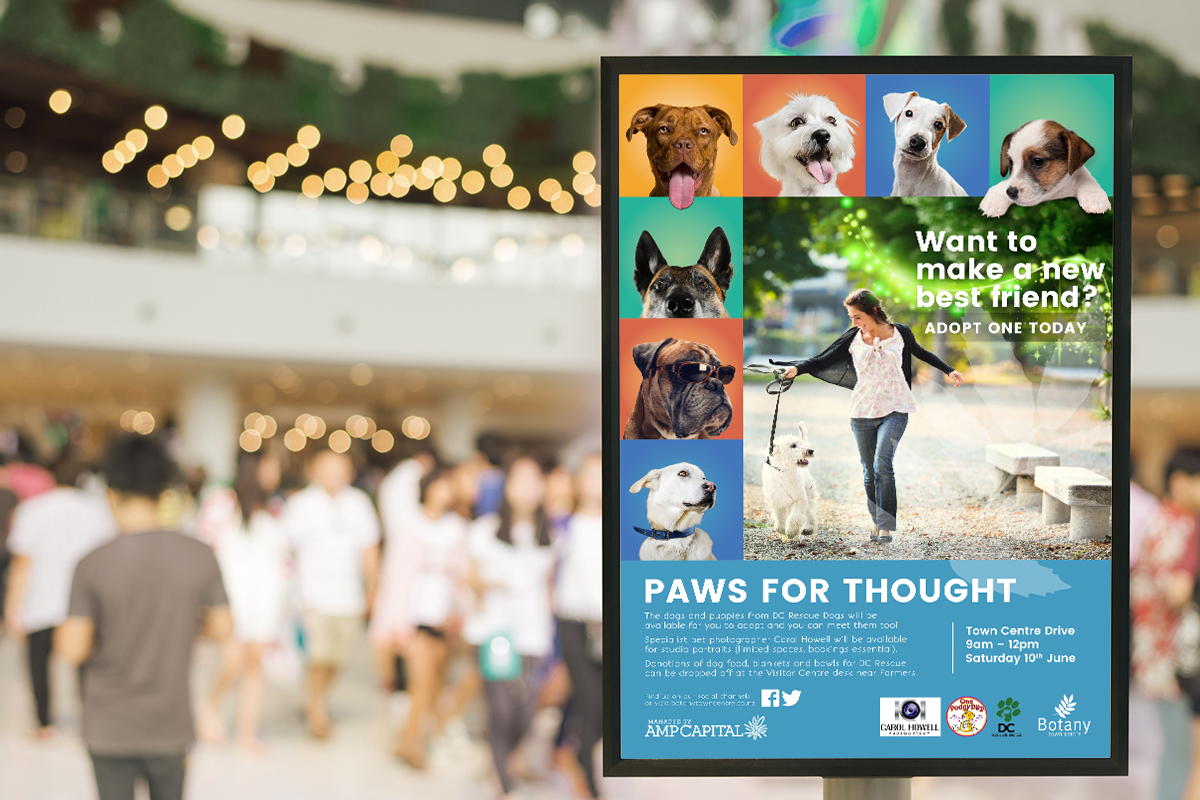
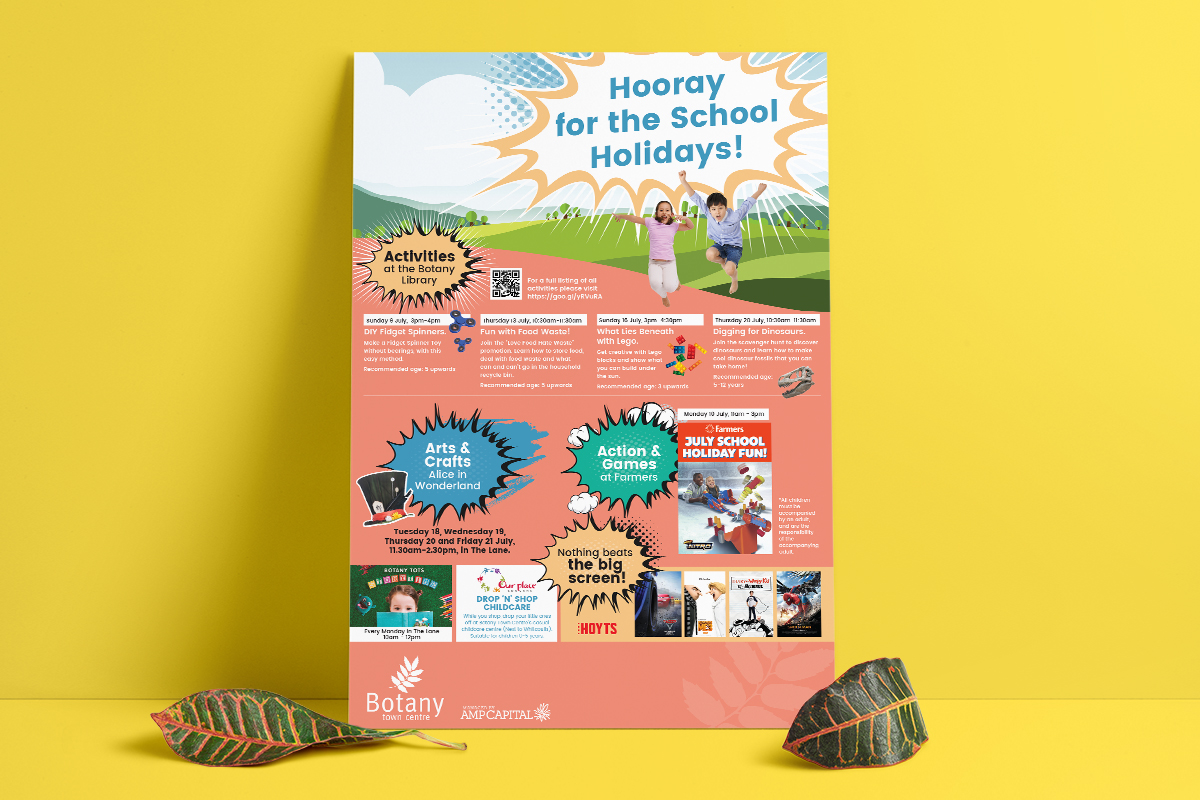
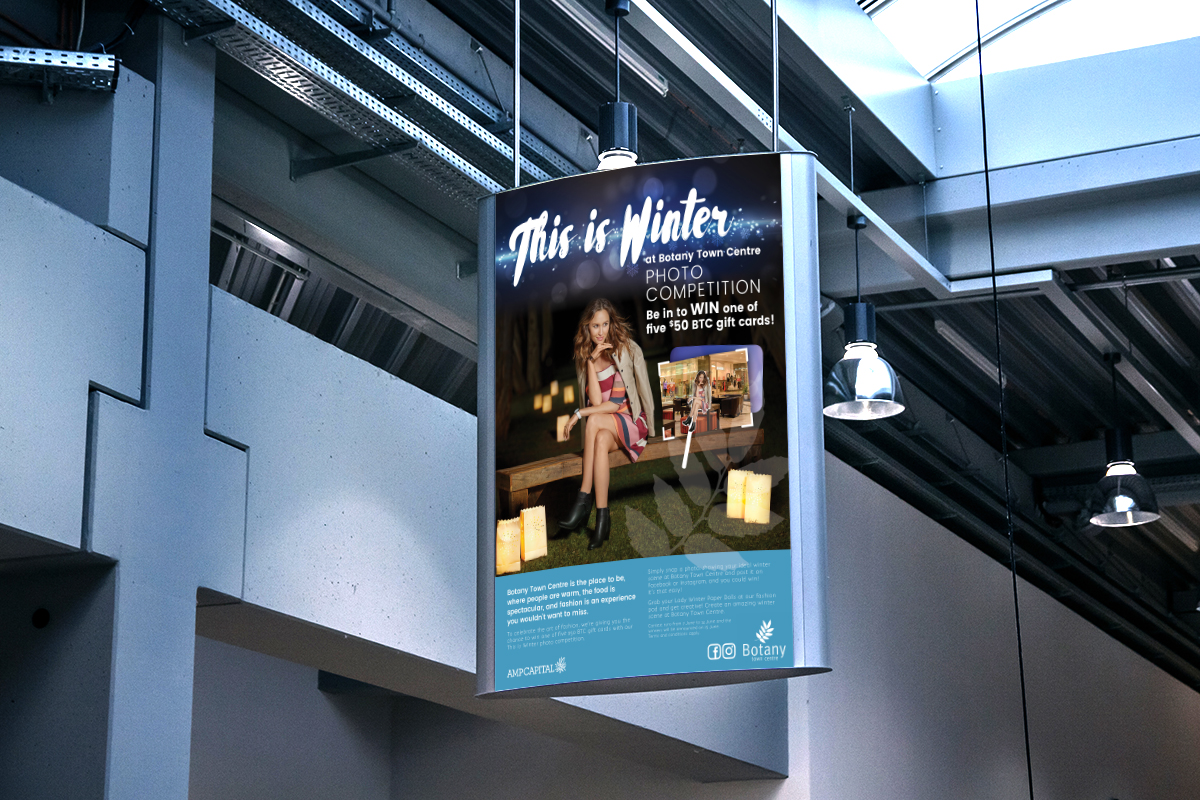
We warmly welcome AMP Capital and Botany Town Centre to the world of Partisan Advertising. We've been given the chance to work in a fantastic and unique retail environment, and best of all, Botany Town Centre is five minutes down the road from our offices and it's packed with all the things we love best: pints of Guinness, award winning pies, and frozen Cokes. What more could you ask for?
Hobson’s Pledge
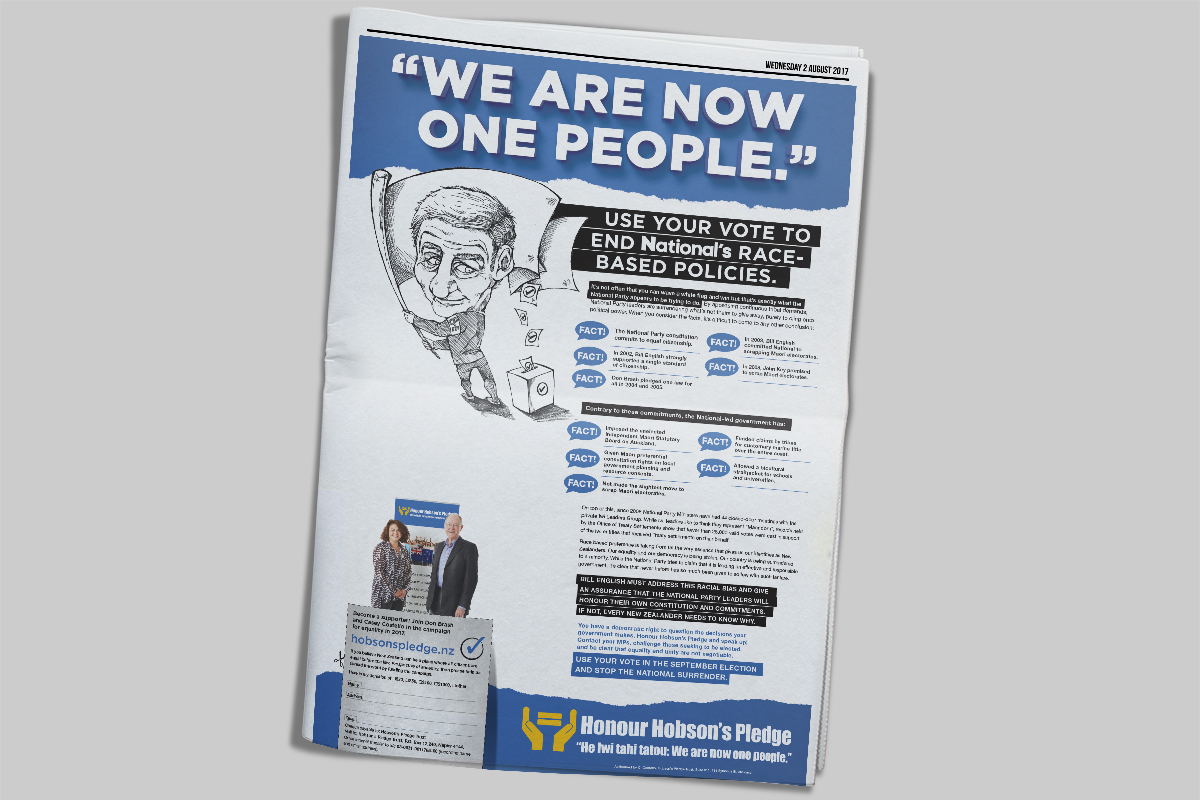
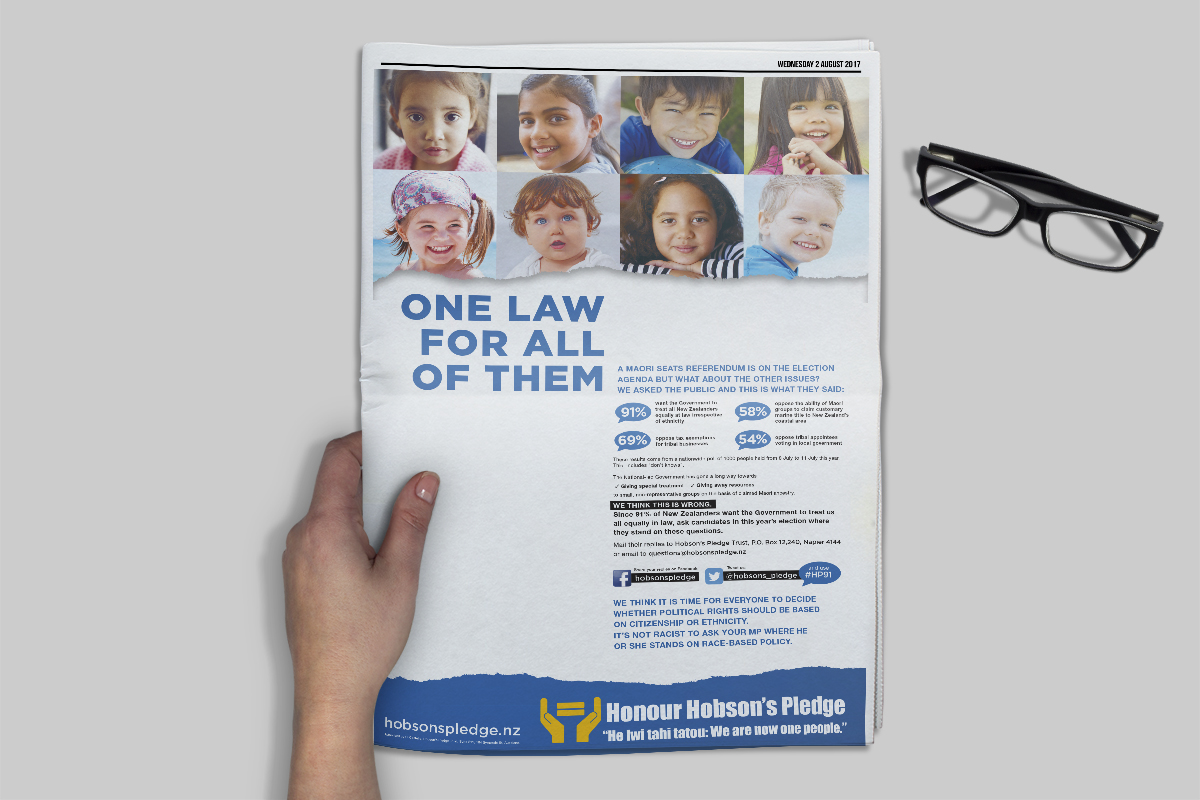
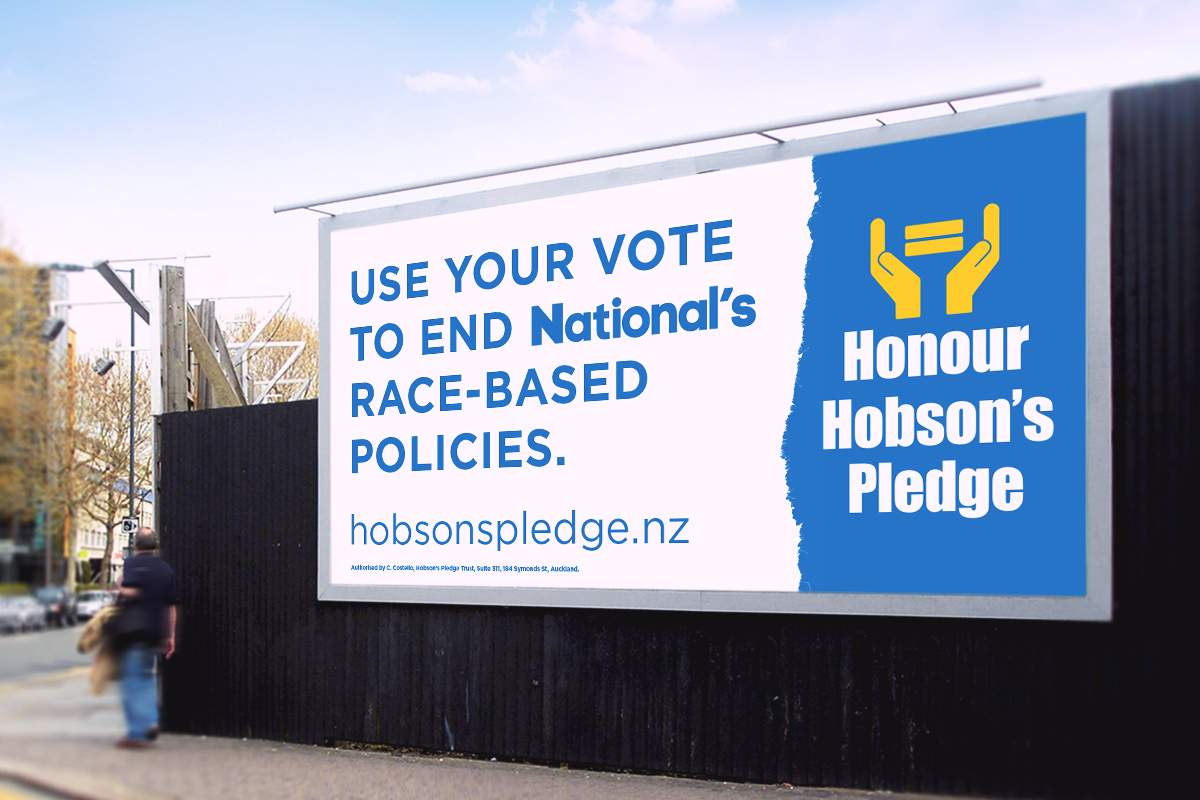
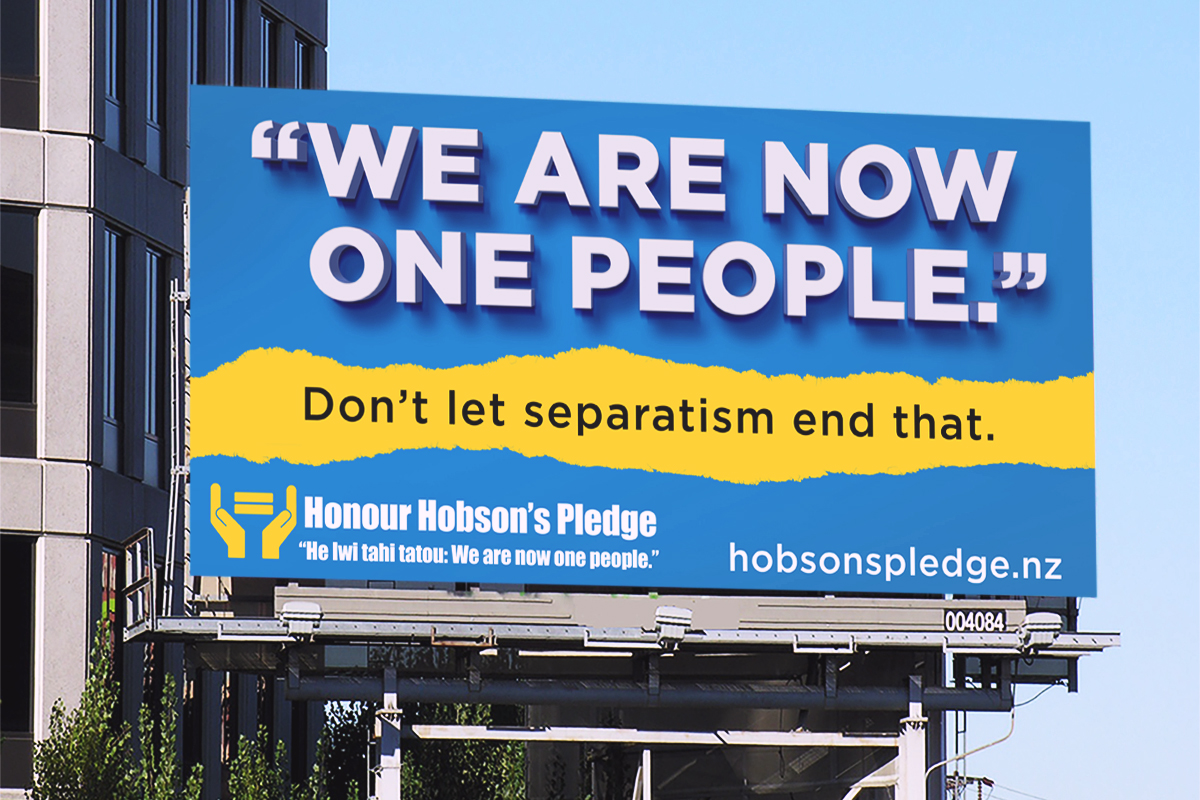
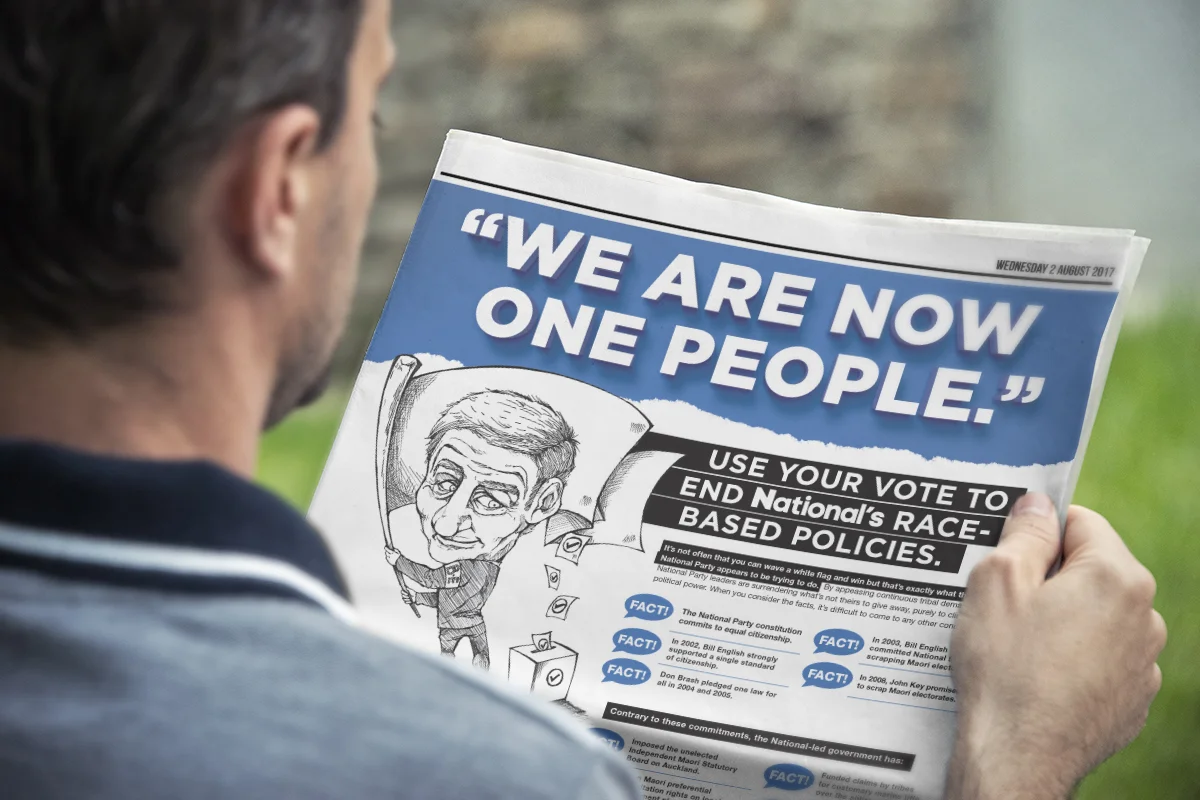
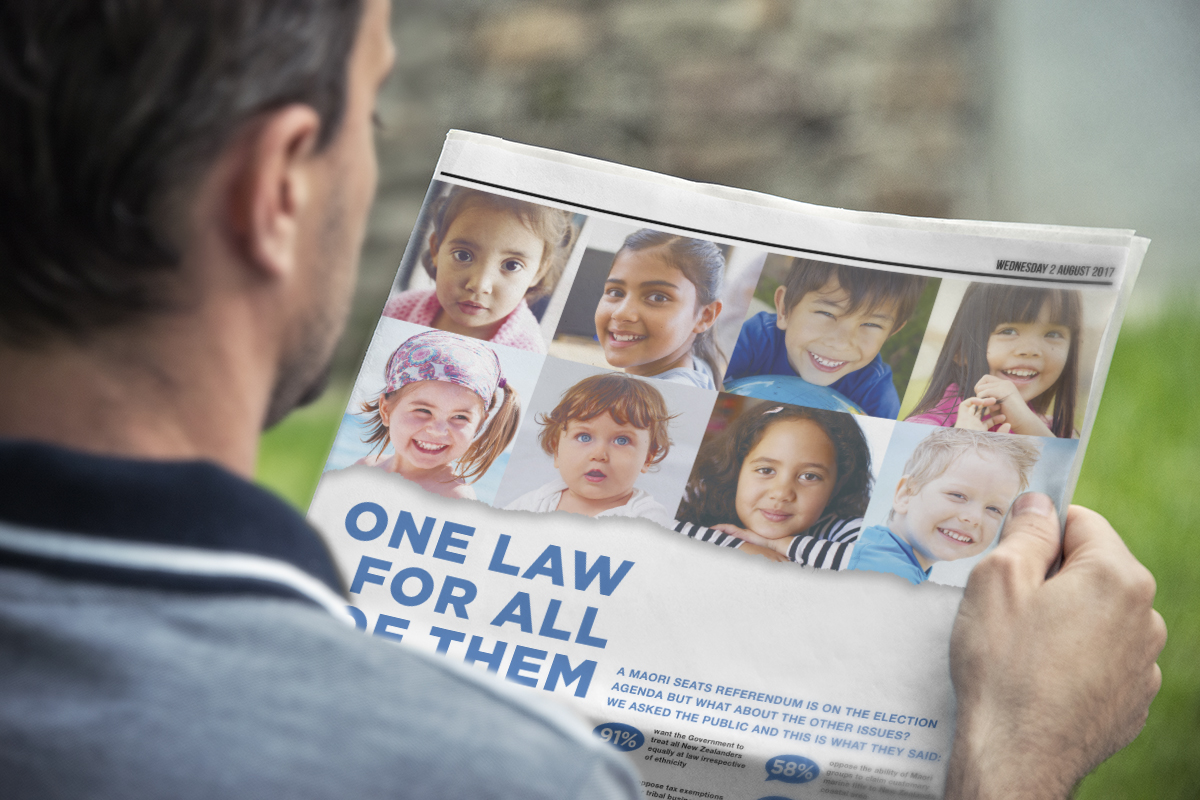
Before you lose your mind, it's not racist to want all races to be treated as equals. If you disagree, just go and read up on Nelson Mandela or Martin Luther King Jnr. If you still disagree, then you're most likely a racist. But let's hope not. The uniqueness of Hobson's Pledge is that they do not have a tangible product or service to offer, nor are they a political party promising all manner of unattainable things to voters purely to stay in power. They're a political movement looking to change the status quo. Partisan Advertising have been tasked with pushing forward a powerful message. The Hobson’s Pledge campaign was totally successful in that the source of much of what they opposed has gone. The Key-led National Party is no longer in power, Christopher Finlayson is no longer Treaty Negotiations Minister, and the Maori Party is out of Parliament. However, the new political landscape hasn't changed much and Hobson's Pledge are continuing to do what they do.
Parkland
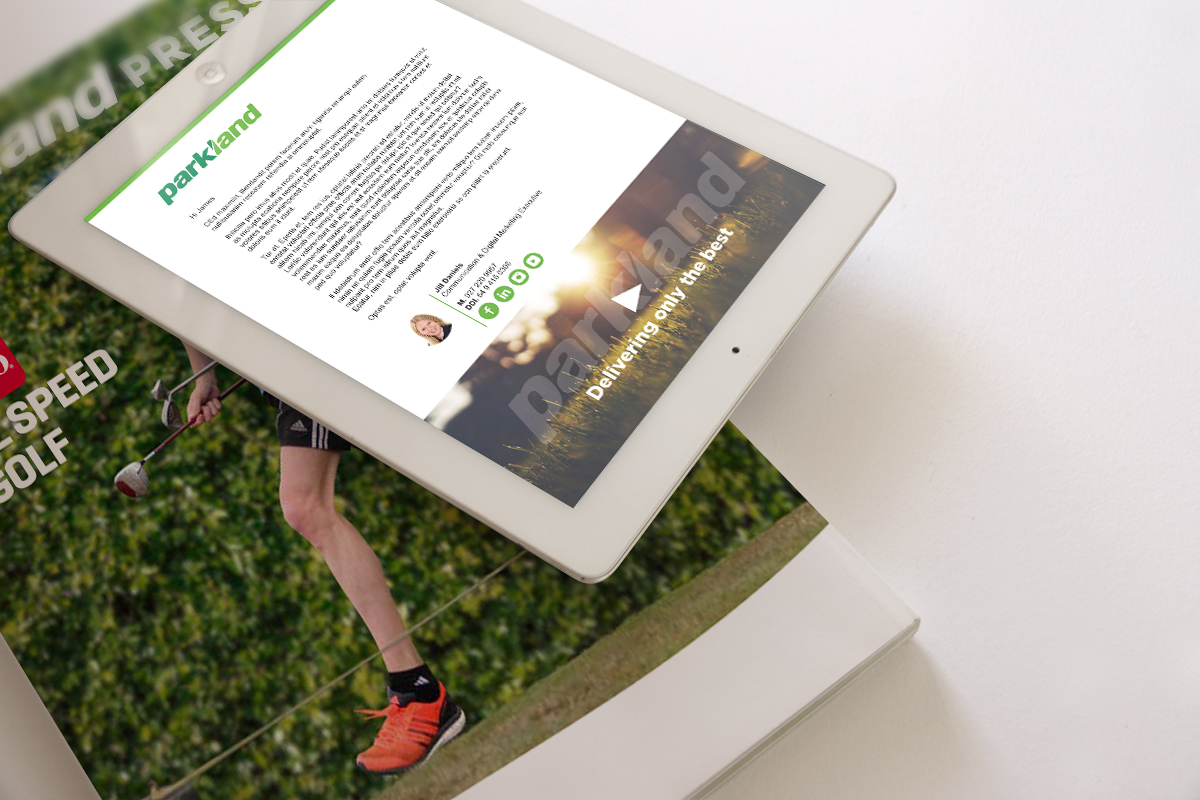
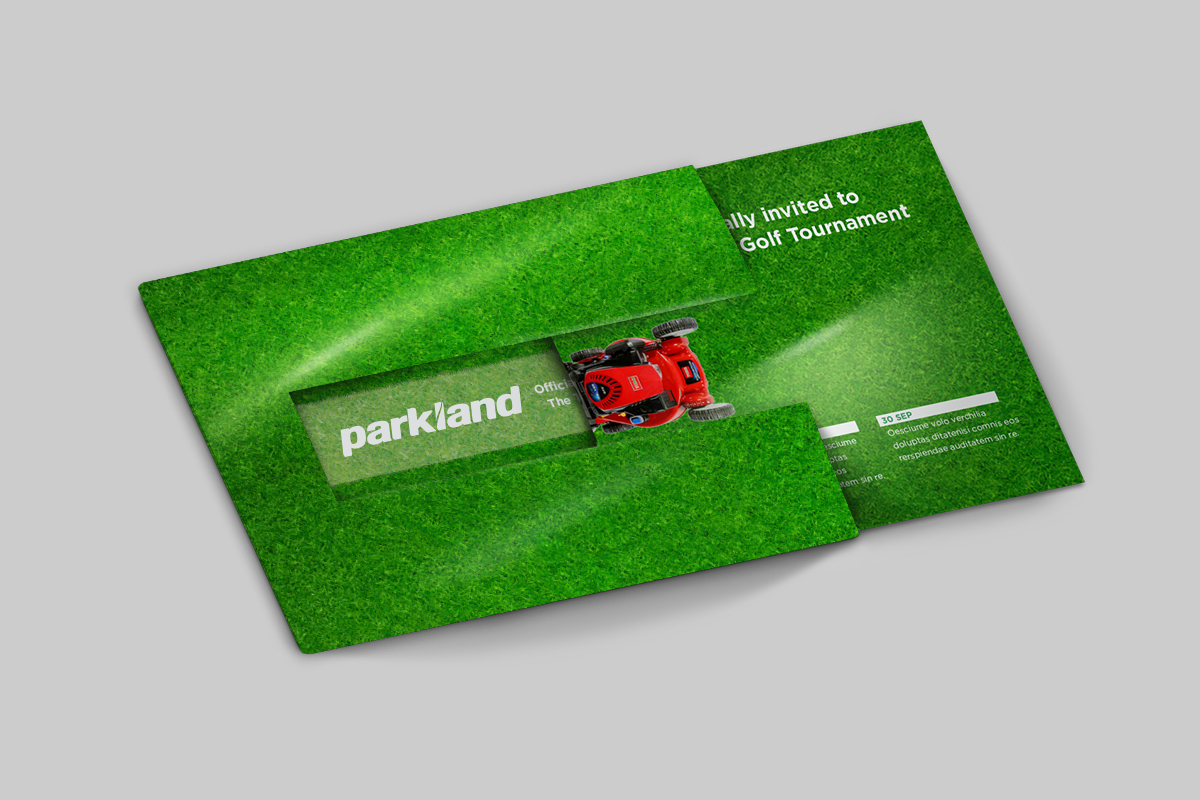
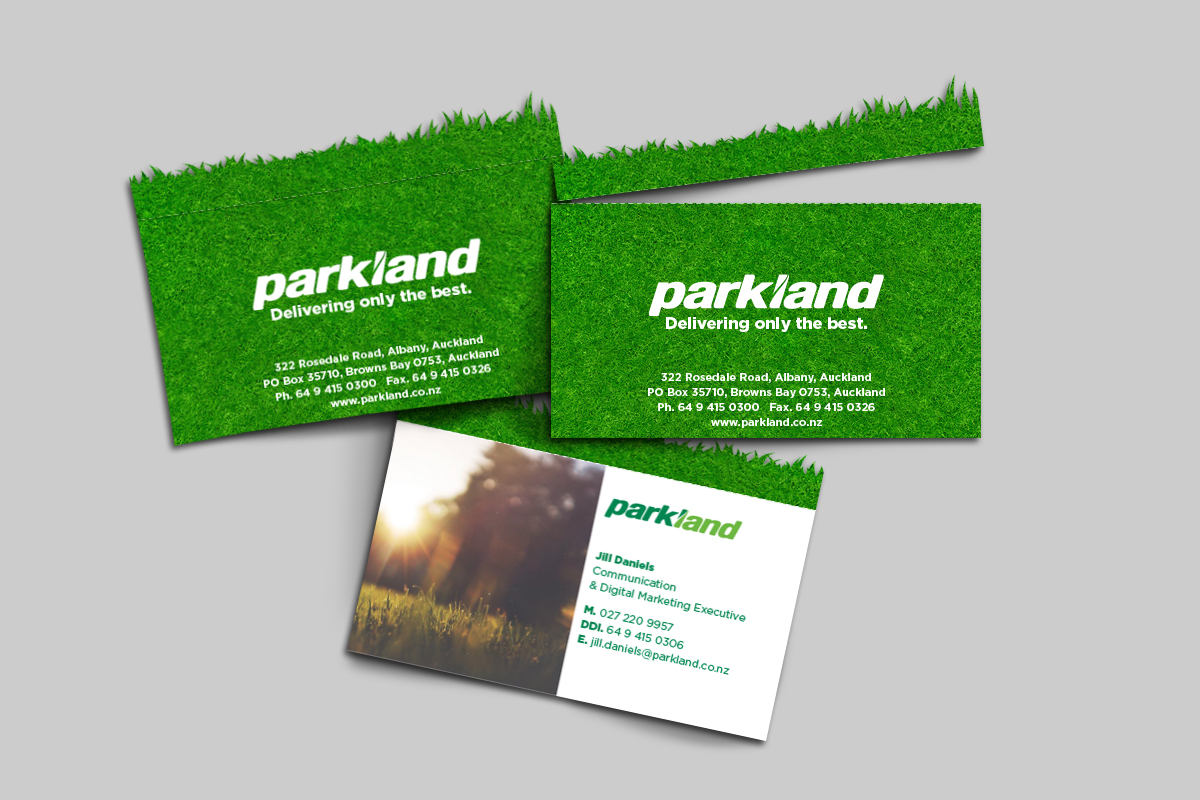
The latest addition to our portfolio is Parkland and its group of brands. Another amazing niche business with a range of specialist products, from $15,000 ride-on lawn mowers to $400,000 earth drills. If you've been to Eden Park in the last few years you'll see just how perfect their mowers and irrigation systems have worked on the stadium's field.
Structure Design
Structure Design is an Auckland based engineering firm who gave Partisan Advertising a very unique brief: "showcase our company values through illustrations". Partisan's head of design, Soo Park, took on the project and created a series of illustrations based on fables and fairy tales.
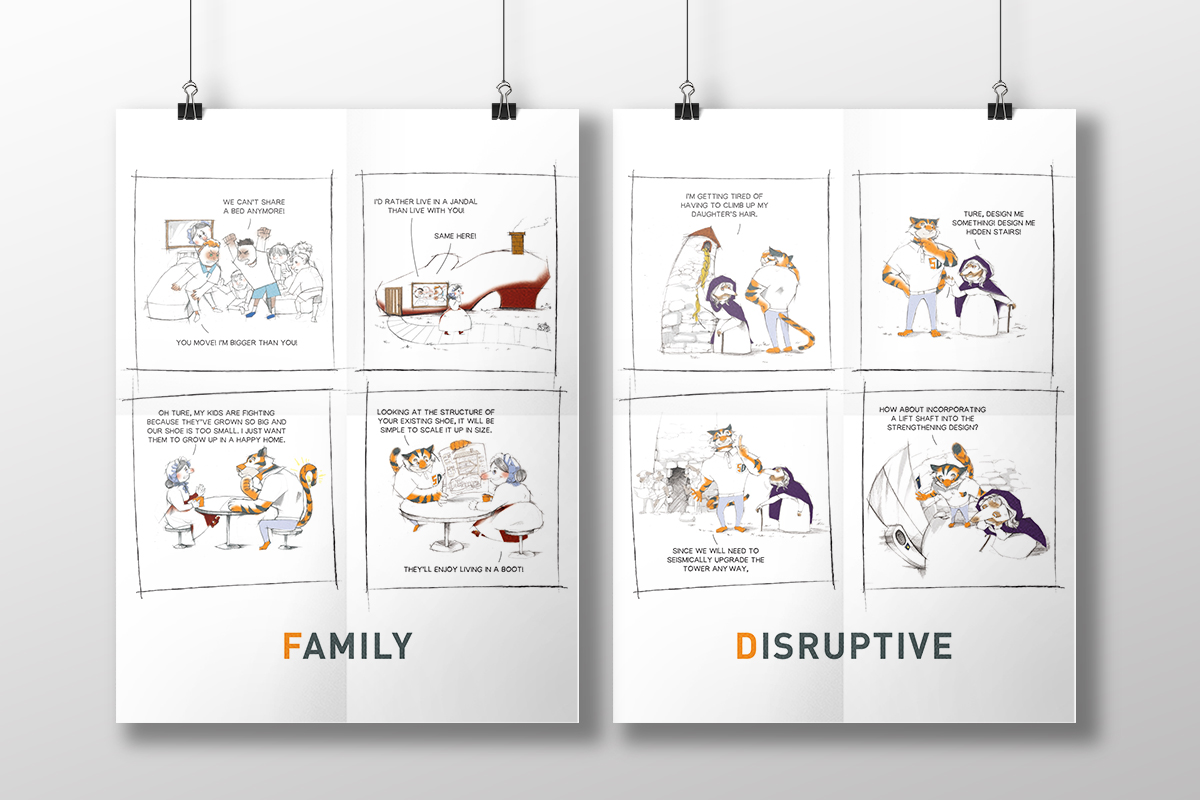
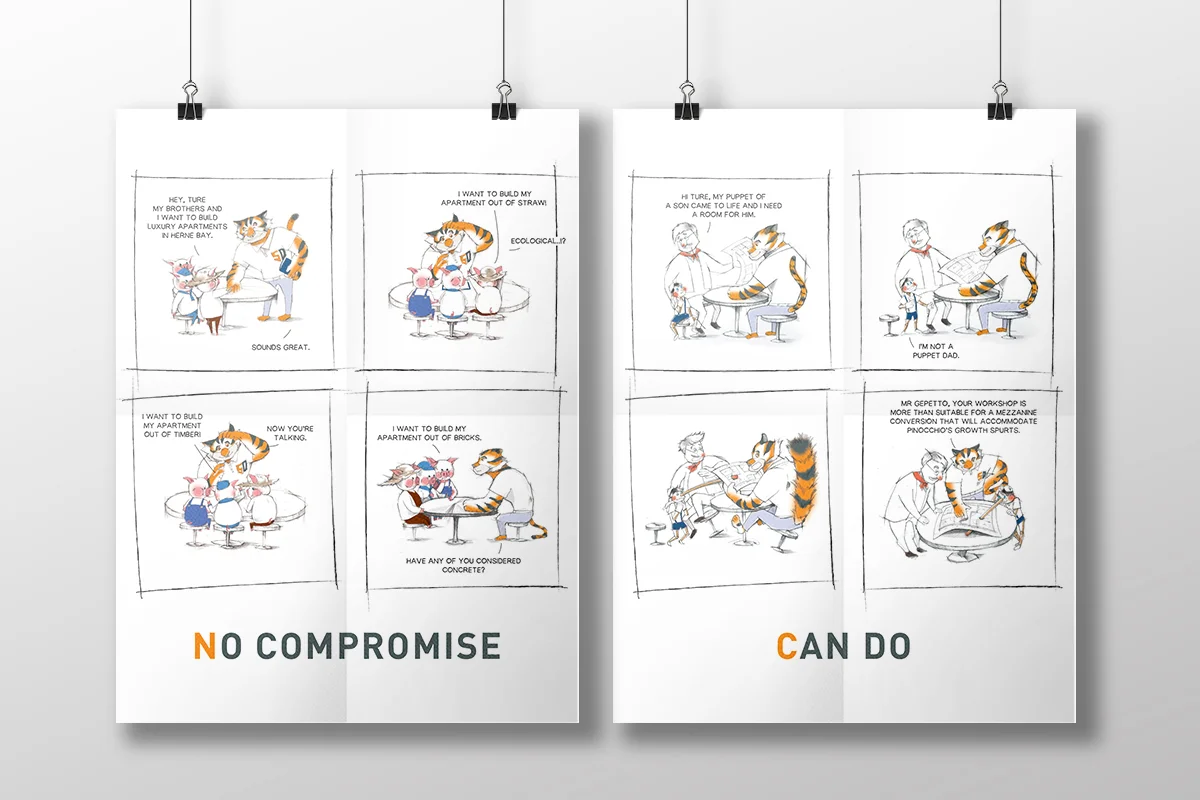
Total Property Worx
Through persistence and hard work, Total Property Worx has grown from a company started by two hard working and determined tradies, to a power house of over fifty industrious individuals.
